Water Damage Services Explained: How to Keep Your Property Protected
Water damage poses significant risks to properties, necessitating a clear understanding of related services. Homeowners often overlook common causes and early signs of damage, which may result in expensive repairs. Swift and knowledgeable responses are necessary. Consulting professionals can deliver comprehensive evaluations and efficient remediation. Despite this, many homeowners are not fully aware of all the preventive strategies available to them. Investigating these elements can expose critical approaches for defending your investment against unanticipated water-related problems.
Recognizing Common Causes of Water Damage
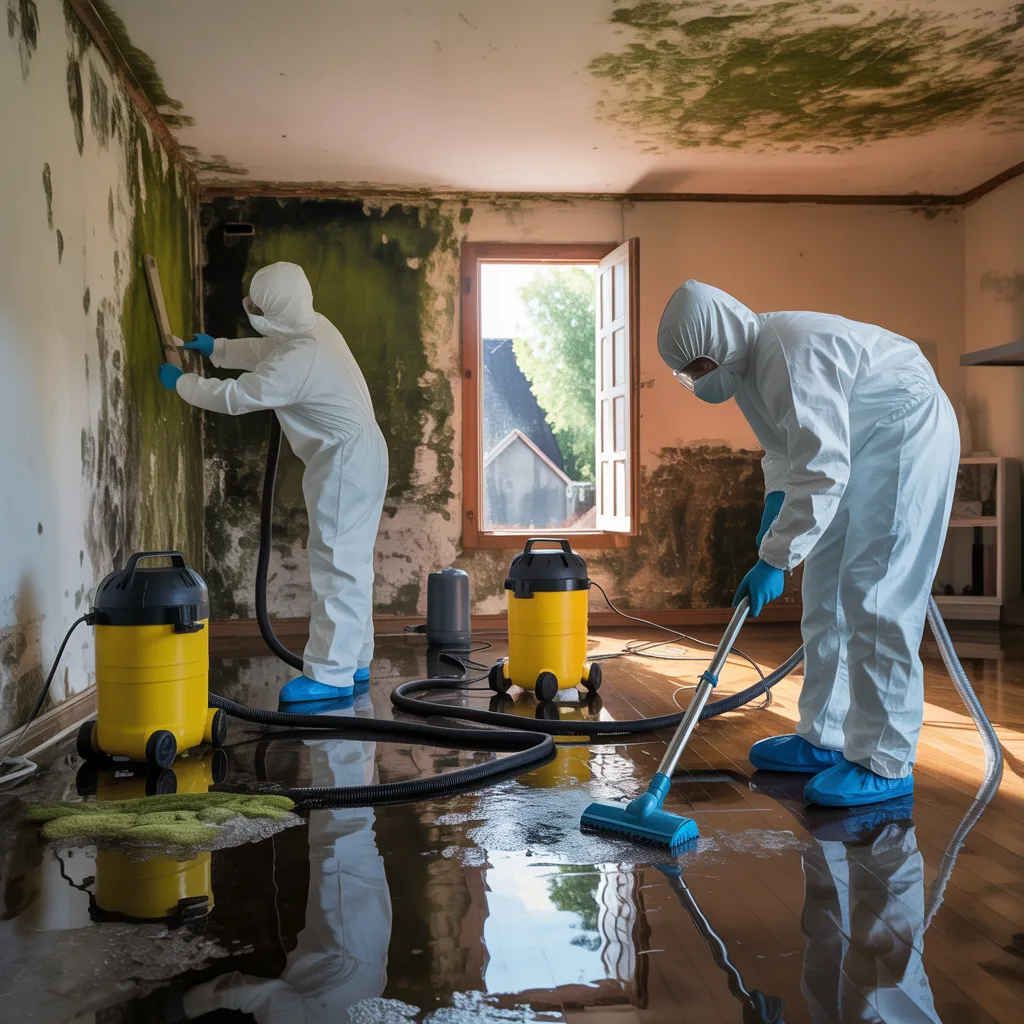
Water damage can originate from numerous sources, making it important to identify the frequent causes that contribute to such concerns. One prevalent cause is plumbing problems, including burst pipes or malfunctioning appliances, which can discharge large quantities of water. Storm-related occurrences, such as heavy rainfall or flooding, also play a role in water damage, especially in regions susceptible to severe storms. Moreover, roof leaks can appear due to wear and tear, allowing water to seep into the structure. Poor drainage systems and clogged gutters can compound these concerns by funneling water to the foundation. Another overlooked cause is elevated humidity and condensation, which can cause mold proliferation and structural harm over time. Being aware of these frequent causes can enable property owners adopt preventive strategies, shielding their homes from the potentially harmful impacts of water damage.
Detecting Water Damage Signs at an Early Stage
Recognizing the first symptoms of water damage is crucial for efficient management. Residents should stay alert for certain signals that water damage may be taking place. Discoloration on interior surfaces, typically presenting as dark or yellowish marks, can indicate plumbing or roofing issues. Furthermore, flaking paint or lifting wallpaper may indicate extended exposure to moisture. An unpleasant musty smell often accompanies water damage, suggesting mold growth. Homeowners should be aware of distorted or uneven flooring, which may result from absorbed moisture. Another critical sign is the appearance of moisture condensing on walls or windows, indicating excess humidity levels. Prompt recognition of such indicators enables immediate response, reducing the risk of costly repairs and extensive damage. Routine maintenance and inspections can further aid in identifying these indicators, encouraging a preventative mindset toward home care and preservation.
Immediate Actions After Water Damage
Following water damage incidents, it is vital to take swift measures to minimize subsequent damage. First, stopping the water source is necessary to prevent additional flooding. Subsequently, thoroughly assessing the damage and recording all details will facilitate the recovery process while supporting potential insurance claims.
Stop The Water Source
Identifying and stopping the source of water intrusion is critical for reducing damage and avoiding additional problems. Immediate action must be taken to minimize the impact on the property. This often involves locating the primary source, whether it involves a broken pipe, a damaged roof, or a malfunctioning appliance. Property owners should shut off the water at the main valve to stop the flow, thereby reducing further water accumulation. In certain situations, reaching out to a licensed plumber may be required to resolve the problem efficiently. When the source is addressed, a smoother and more organized recovery can take place. Rapidly addressing the water source is a fundamental first action in shielding the property from widespread damage.
Evaluate The Damage
After the water supply has been halted, assessing the damage is a necessary step. This preliminary evaluation requires locating the damaged sections, including walls, floors, and personal belongings. Water often seeps into materials, leading to concealed deterioration that is not always apparent at first glance. Trained experts routinely examine for the integrity of the structure and the existence of mold growth, which can grow quickly in wet surroundings. They frequently examine the degree of harm to electrical systems and appliances. It is important to determine the type of water involved—gray, clean, or black—as this influences the restoration procedure. A prompt and thorough evaluation establishes the groundwork for efficient recovery measures, which helps limit prolonged effects on the building and providing a healthier setting for residents.
Document All Details Completely
Documenting everything thoroughly is essential in the immediate period of water damage. Such careful documentation serves multiple purposes, including facilitating insurance claims and guiding restoration efforts. Property owners should commence by capturing clear photos of damaged areas, taking both broad perspectives and detailed shots of specific damage. Additionally, maintaining a comprehensive list of affected belongings, complete with descriptions and approximate values, can prove invaluable. It is equally important to note the date and time of the event, together with any urgent measures implemented, such as reaching out to restoration experts. Such records not only assist with insurance claims but also aids in evaluating the extent of damage for future reference. By maintaining thorough records, homeowners can ensure a more efficient restoration process.
Ways Professionals Can Help Address Water Damage
Trained technicians play a vital part in mitigating the effects of water damage, applying expert strategies to effectively bring affected areas back to their original state. The process starts with assessing the severity of the situation, leveraging state-of-the-art technology to uncover trapped moisture and associated dangers. This meticulous examination allows for a tailored response to every unique case.
When the evaluation process concludes, professionals implement targeted water extraction methods to remove excess moisture from walls, carpets, and surrounding surfaces. Professionals also utilize heavy-duty dehumidifiers and ventilation equipment to encourage swift moisture evaporation, preventing mold growth and structural deterioration.
Moreover, professionals can detect and resolve likely causes of water infiltration, offering guidance for repairs and preventive measures. Their familiarity with construction materials and recovery methods confirms that property owners achieve the most favorable results. By relying on professionals, building owners can conserve time, minimize stress, and safeguard their assets efficiently.
Important Steps in Water Damage Restoration
Water damage remediation encompasses a series of methodical steps intended to restore impacted spaces to their original state. To begin, skilled technicians determine the degree of damage and pinpoint the origin of the water. Following this, the area is secured to prevent further issues, such as mold growth. The subsequent phase involves water removal, during which advanced machinery eliminates accumulated water effectively.
Following extraction, the drying procedure starts, using heavy-duty fans and dehumidifiers to ensure all moisture is eliminated. After the area is fully dried, experts move forward with cleaning and sanitizing surfaces to remove possible contaminants. Fixing and restoring compromised materials, including drywall or flooring, is the concluding step, ensuring structural soundness and visual appeal. During the entire process, records are kept for insurance purposes, providing an extensive record of the restoration work. This systematic approach is essential for effective water damage restoration and protecting the property from future problems.
Proven Methods for Preventing Water Damage
Avoiding water damage is essential for homeowners and property managers alike, as even slight moisture intrusion can lead to significant issues over time. A key approach involves regular examination of roofs, gutters, and downspouts to guarantee they are clear of debris and functioning properly. This prevents water from pooling and penetrating the structure. Furthermore, patching cracks in the foundation and exterior walls can block unnecessary moisture penetration.
Placing sump pumps in basements and verifying correct drainage across the property can help reduce potential risks. Property owners should regularly observe indoor humidity levels, employing dehumidifiers whenever required to sustain proper conditions. Regular maintenance of plumbing systems, including checking for leaks, is critical for early detection. Additionally, informing residents about water safety protocols and response strategies can enable them to respond quickly during emergencies, minimizing the overall potential for damage. Together, these preventive steps play a significant role in long-term water damage mitigation.
Navigating Insurance for Water Damage Claims
While navigating through the challenges of insurance for water damage claims, homeowners often encounter a range of policies and coverage options. Standard homeowners insurance can often cover particular types of water-related damage, such as damage stemming from abrupt leaks or ruptured pipes. Nevertheless, flood-related damage commonly calls for a separate flood insurance policy, which is vital for properties in flood-prone areas.
Homeowners should closely review their policy paperwork to be aware of coverage exclusions and restrictions. For instance, gradual damage, such as extended water leaks, is generally not included in coverage. Moreover, numerous insurance companies demand the prompt submission of claims; delays can result in decreased payouts or claim denial.
To navigate the claims process efficiently, homeowners are encouraged to document the damage thoroughly, including photos and written documentation. Engaging with an qualified adjuster can also be beneficial in achieving a reasonable settlement. Ultimately, being aware of these factors can significantly influence the healing view details process following instances of water damage.
Frequently Asked Questions
How Long Does Water Damage Restoration Typically Take?
Water damage restoration generally requires anywhere from a few days to several weeks, based on the severity of the damage, the impacted areas, and how efficiently the restoration team handles the process.
Can I Manage Water Damage Repairs by Myself?
Tackling water damage repairs on your own is feasible, but frequently dangerous. Professionals possess specialized equipment and expertise to guarantee thorough restoration, minimizing future complications. Weighing personal skills against the advantages of hiring specialists is key to handling damage in the most efficient way.
Which Types of Insurance Provide Coverage for Water Damage?
Homeowners insurance typically covers water damage resulting from sudden occurrences, while flood insurance directly covers damage caused by rising water levels. Policy details can vary, so policyholders should carefully review their coverage to ensure sufficient protection against potential water damage.
Are All Water Damage Services the Same?
Not all water damage services are the same. Each one varies in knowledge, approaches, and equipment utilized. Certain providers specialize in specific damage types, while others deliver complete remediation options, which impacts overall effectiveness and client satisfaction.
How Do I Find a Dependable Water Damage Service?
To locate a dependable water damage company, one should research local companies, review client feedback, confirm industry certifications, and request references from past clients. Comparing quotes and evaluating response times can also aid in making an informed choice.